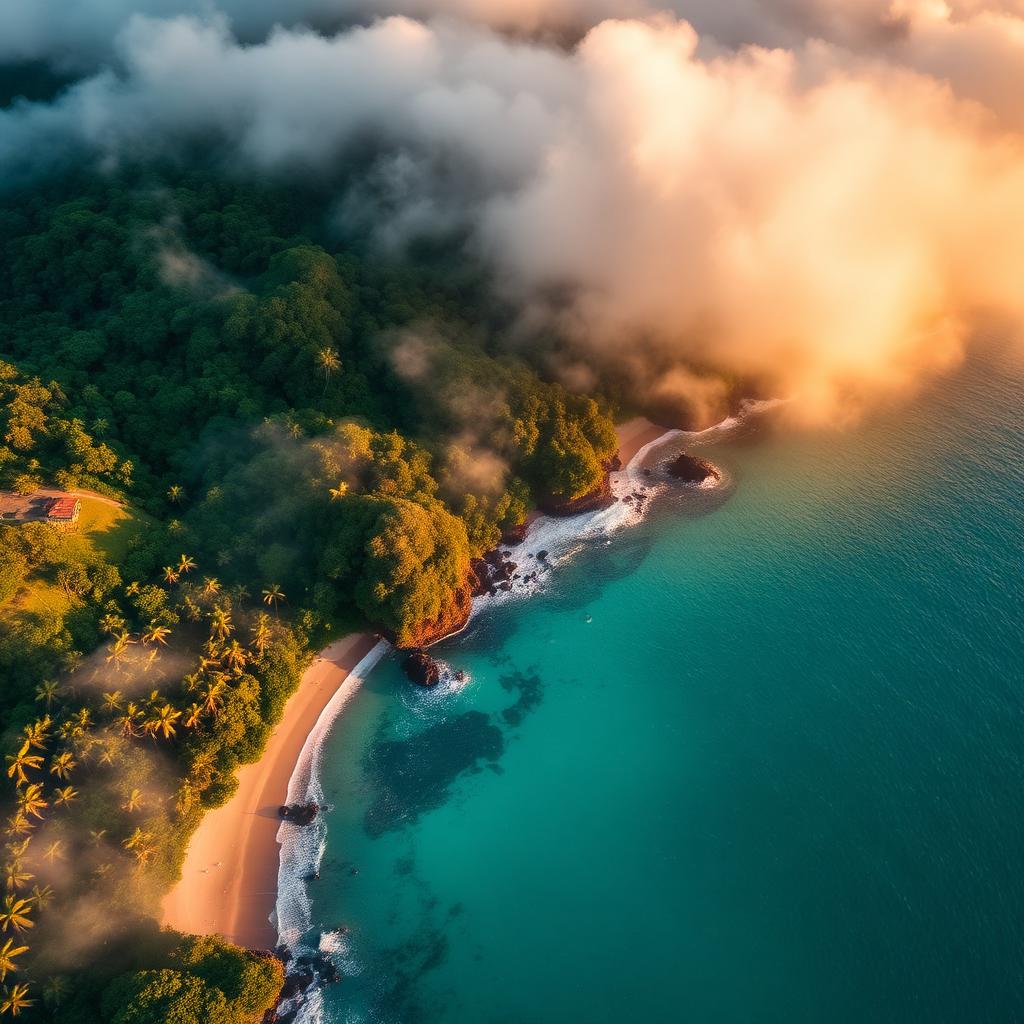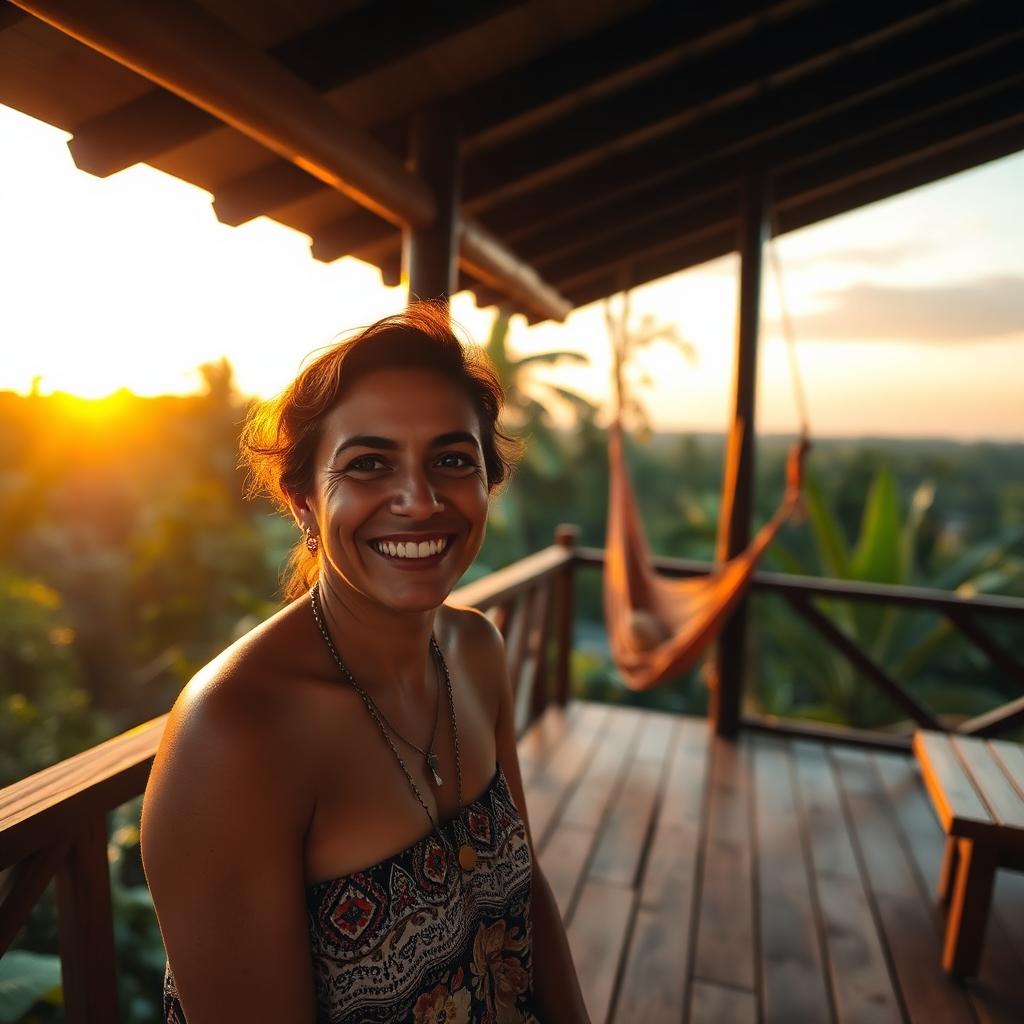
You will hear it forty times your first day in Costa Rica. Pura vida. The taxi driver says it. The barista says it. The man fixing the road says it. It is hello and goodbye, thank you and no worries, yes please and don't sweat it. Two words doing the work of an entire emotional vocabulary.
What pura vida actually means
Literally, pure life. In practice, something closer to: life is enough as it is, this moment included. It is a refusal to escalate. A refusal to perform stress as a status symbol. A way of meeting whatever happens — the rain, the broken transmission, the late flight, the small joy — with the same level shoulders.
Why your nervous system is begging for it
Most high-performers in the United States and Europe operate in chronic sympathetic activation. The fight-or-flight system never fully stands down. Cortisol stays elevated. Inflammation rises. Sleep degrades. Creativity narrows. Relationships fray.
Pura vida, lived rather than recited, is parasympathetic medicine. The slow meal. The unhurried conversation. The acceptance that some things will not happen today, and that is fine. The body reads this as safety, and safety is when repair happens.
What this looks like on a reset
On a RicaReset week, pura vida is not a slogan on a wall. It is the design of the day. Mornings are slow on purpose. Meals last as long as they last. There are no back-to-back classes. The schedule is a frame, not a cage. You will not be asked to optimize your retreat. You will be asked to let it work on you.
By day three, most guests notice it: the constant low-grade clenching in the jaw releases. The phone gets harder to pick up. The breath drops from the chest into the belly. By day seven, the people back home start asking what's different.
The piece that sticks
The trick is not to bring back pura vida like a souvenir. It is to bring back the felt memory of what regulated feels like — so your body knows the destination it is trying to get back to, every time it drifts.